หากท่านสงสัยว่าถูกหลอกให้โอนเงิน กดลิงก์ปลอม ให้ข้อมูลส่วนตัว ติดตั้งแอปต้องสงสัย หรือถูกแอบอ้างในช่องทางออนไลน์ สิ่งสำคัญที่สุดคือ อย่าตกใจจนทำตามคำสั่งของอีกฝ่ายต่อไป และควรรีบดำเนินการอย่างเป็นขั้นตอน
หลายกรณีมิจฉาชีพจะพยายามทำให้เหยื่อรู้สึกกลัว รีบ อาย หรือเสียดายเงินที่เสียไปแล้ว เพื่อหลอกให้โอนเงินเพิ่ม กดลิงก์เพิ่ม หรือติดต่อกันต่อไปเรื่อย ๆ การหยุดสถานการณ์ให้เร็วที่สุด จึงเป็นก้าวแรกที่สำคัญมาก
เช็คให้ชัวร์ จัดทำหน้านี้ขึ้นเพื่อเป็นแนวทางเบื้องต้นสำหรับผู้ที่สงสัยว่าตนเองหรือคนใกล้ตัวอาจตกเป็นเหยื่อของภัยออนไลน์ เพื่อช่วยให้รู้ว่าควรเริ่มจากตรงไหน ควรเก็บหลักฐานอะไร และควรติดต่อหน่วยงานใดต่อไป
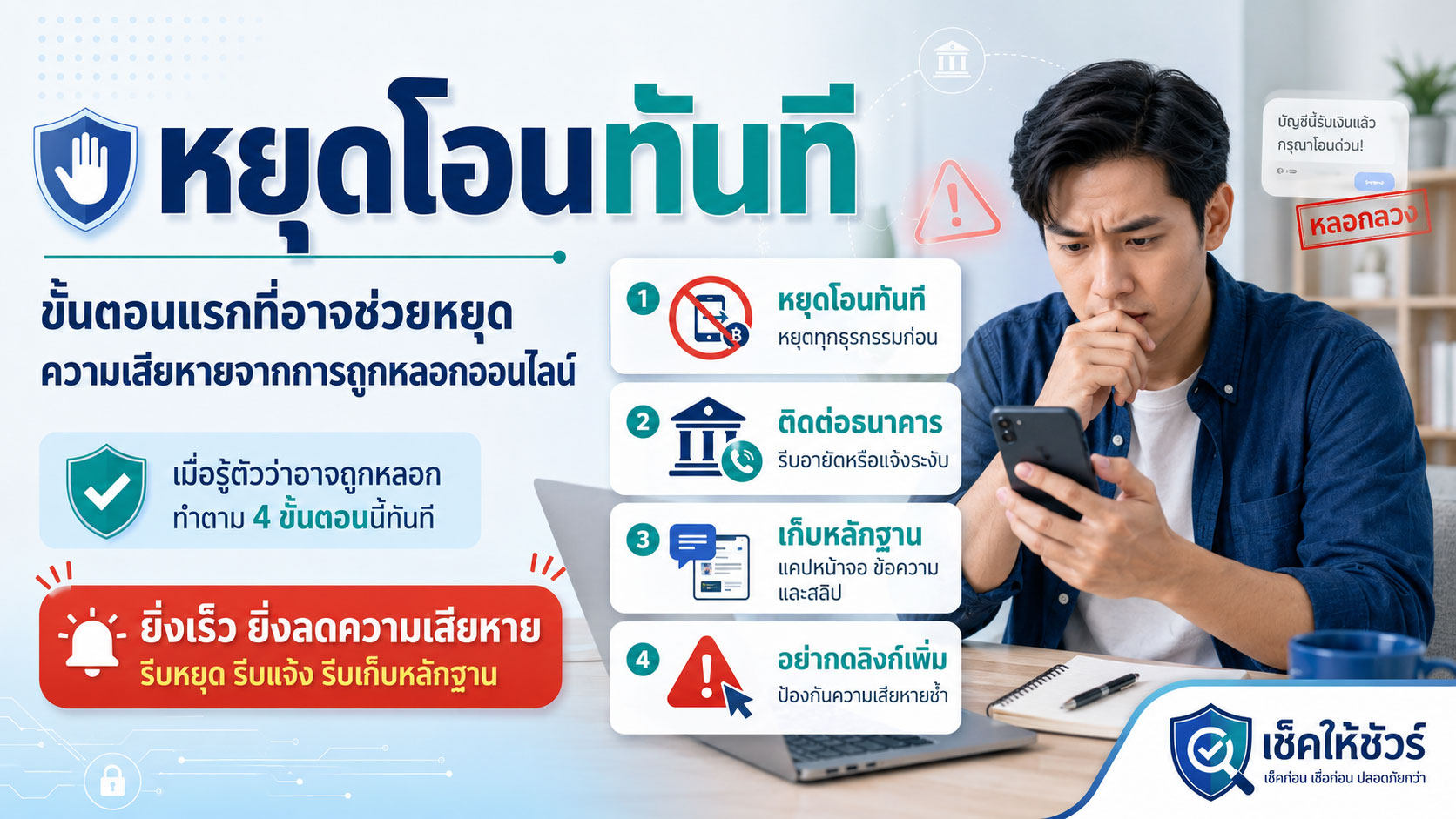
สิ่งแรกที่ควรทำทันที
หากท่านเริ่มสงสัยว่าถูกหลอก หรือรู้ตัวว่าอาจโอนเงินให้มิจฉาชีพไปแล้ว กรุณาดำเนินการเบื้องต้นดังนี้
- หยุดโอนเงินเพิ่มทันที
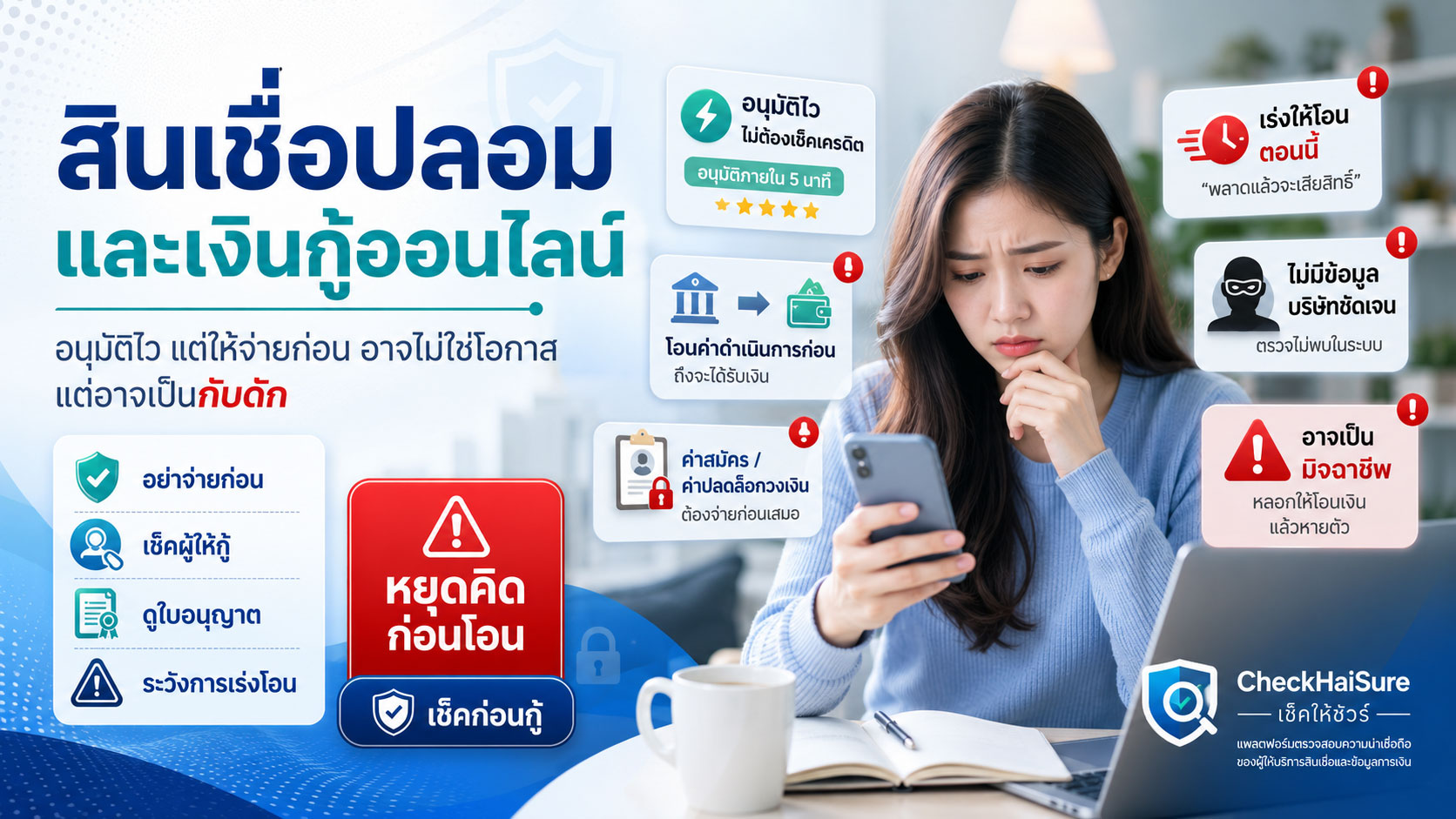
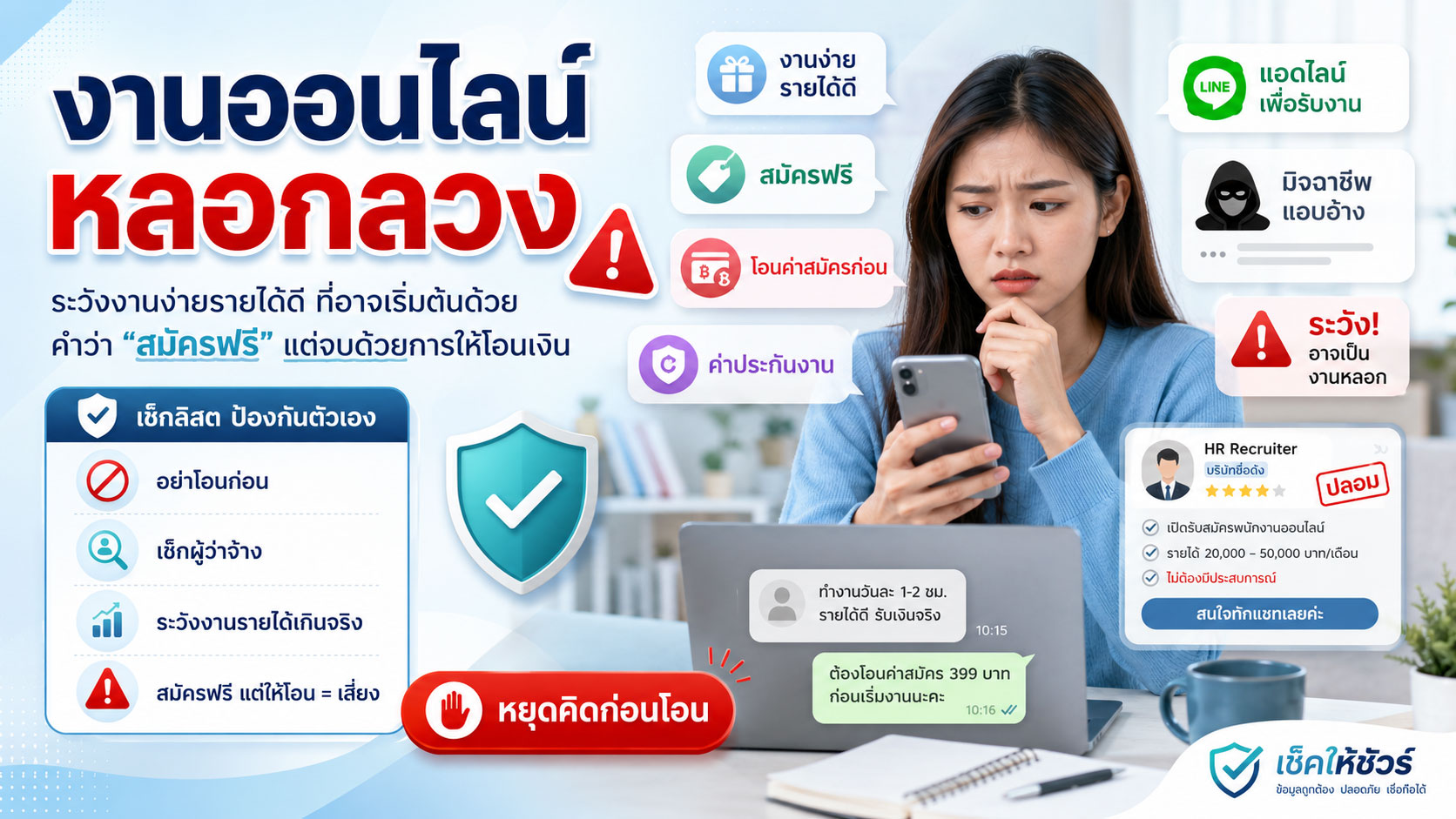
ไม่ว่าอีกฝ่ายจะอ้างเหตุผลใด เช่น ค่าธรรมเนียม ค่าปลดล็อก ค่าภาษี ค่าประกัน ค่าดำเนินการ หรือค่าแก้ไขระบบ อย่าโอนเงินเพิ่มจนกว่าจะตรวจสอบกับแหล่งที่เชื่อถือได้ - หยุดทำตามคำสั่งของอีกฝ่าย
หากมีการบอกให้กดลิงก์ ติดตั้งแอป เปิดกล้อง แชร์หน้าจอ ส่งเอกสาร หรือห้ามวางสาย ควรหยุดทันที - เก็บหลักฐานให้ครบ
อย่าเพิ่งลบแชท ลบสลิป ลบบัญชีผู้ติดต่อ หรือบล็อกโดยไม่เก็บข้อมูล เพราะหลักฐานเหล่านี้อาจจำเป็นต่อการแจ้งธนาคาร แจ้งความ หรือแจ้งข้อมูลเพื่อเตือนผู้อื่น - ติดต่อธนาคารโดยเร็วที่สุด
หากมีการโอนเงินหรือให้ข้อมูลทางการเงิน ควรติดต่อธนาคารเจ้าของบัญชีของท่านทันที เพื่อสอบถามแนวทางช่วยเหลือ ระงับความเสียหาย หรือดำเนินการตามขั้นตอนของธนาคาร - แจ้งหน่วยงานที่เกี่ยวข้องผ่านช่องทางทางการ
หากมีความเสียหายเกิดขึ้น ควรแจ้งความหรือแจ้งเหตุผ่านช่องทางทางการที่เกี่ยวข้องโดยเร็วที่สุด พร้อมเตรียมหลักฐานทั้งหมดให้ครบถ้วน
ขั้นตอนแนะนำเมื่อสงสัยว่าถูกหลอก
1. ตั้งสติและหยุดการติดต่อที่มีความเสี่ยง
เมื่อรู้ตัวว่าอาจถูกหลอก สิ่งที่มิจฉาชีพมักทำต่อคือพยายามควบคุมสถานการณ์ เช่น โทรซ้ำ ส่งข้อความกดดัน ข่มขู่ หรือบอกว่าหากไม่ทำตามจะเสียเงินมากกว่าเดิม
ท่านควรหยุดตอบโต้ในลักษณะที่ทำให้อีกฝ่ายควบคุมท่านต่อไปได้ โดยเฉพาะกรณีที่อีกฝ่ายพยายามให้ท่าน:
- โอนเงินเพิ่ม
- ส่งรหัส OTP หรือรหัสผ่าน
- กดลิงก์ใหม่
- ติดตั้งแอปเพิ่มเติม
- เปิดกล้องหรือแชร์หน้าจอ
- ส่งบัตรประชาชน เอกสาร หรือข้อมูลส่วนตัว
- ห้ามบอกคนในครอบครัว
- ห้ามวางสาย
หากจำเป็นต้องหยุดการสนทนา ให้บันทึกหลักฐานไว้ก่อน แล้วจึงหยุดติดต่อหรือตัดการสื่อสาร
2. เก็บหลักฐานทั้งหมดให้เป็นระบบ
หลักฐานเป็นสิ่งสำคัญมาก เพราะจะช่วยให้ธนาคาร หน่วยงานที่เกี่ยวข้อง หรือเจ้าหน้าที่สามารถพิจารณาเหตุการณ์ได้ชัดเจนขึ้น
หลักฐานที่ควรเก็บไว้
- สลิปโอนเงิน
- เลขบัญชีและชื่อบัญชีผู้รับเงิน
- ชื่อธนาคารที่เกี่ยวข้อง
- วันและเวลาที่โอนเงิน
- จำนวนเงินที่โอน
- ภาพหน้าจอแชททั้งหมด
- เบอร์โทรศัพท์ที่ใช้ติดต่อ
- LINE ID, Facebook, TikTok, Instagram หรือช่องทางออนไลน์ที่เกี่ยวข้อง
- ลิงก์เว็บไซต์หรือเพจที่เกี่ยวข้อง
- ข้อความ SMS หรืออีเมลที่ได้รับ
- รูปภาพสินค้า โฆษณา หรือโพสต์ที่เกี่ยวข้อง
- เอกสารหรือไฟล์ที่อีกฝ่ายส่งให้
- รายละเอียดลำดับเหตุการณ์ตั้งแต่เริ่มต้นจนถึงจุดที่รู้สึกผิดปกติ
คำแนะนำในการจัดเก็บ
ควรบันทึกหลักฐานเป็นไฟล์หรือภาพหน้าจอ และจัดเรียงตามลำดับเวลา เช่น เริ่มติดต่อเมื่อใด โอนเงินเมื่อใด อีกฝ่ายตอบกลับอย่างไร และเริ่มมีพฤติกรรมผิดปกติเมื่อใด
หากเป็นไปได้ ควรสำรองหลักฐานไว้มากกว่าหนึ่งที่ เช่น บันทึกไว้ในโทรศัพท์และอัปโหลดเก็บไว้ในพื้นที่ปลอดภัยส่วนตัว
3. ติดต่อธนาคารของท่านทันที
หากมีการโอนเงินออกจากบัญชี หรือสงสัยว่าข้อมูลบัญชีธนาคารของท่านอาจไม่ปลอดภัย ควรติดต่อธนาคารของท่านโดยเร็วที่สุดผ่านช่องทางทางการ เช่น เบอร์โทรศัพท์หลังบัตร เว็บไซต์ทางการ แอปทางการ หรือสาขาธนาคาร
สิ่งที่ควรแจ้งธนาคาร
- ท่านสงสัยว่าถูกหลอกให้โอนเงิน
- วัน เวลา และจำนวนเงินที่โอน
- เลขบัญชีและชื่อบัญชีผู้รับเงิน
- ช่องทางที่ถูกติดต่อ
- มีการให้ข้อมูลส่วนตัวหรือข้อมูลทางการเงินไปหรือไม่
- มีการกดลิงก์หรือติดตั้งแอปต้องสงสัยหรือไม่
ธนาคารอาจให้คำแนะนำเกี่ยวกับขั้นตอนที่เหมาะสม เช่น การตรวจสอบธุรกรรม การระงับบางบริการ การเปลี่ยนรหัส การออกบัตรใหม่ หรือการดำเนินการตามกระบวนการของธนาคาร
4. แจ้งความหรือแจ้งเหตุผ่านช่องทางทางการ
หากมีความเสียหายเกิดขึ้น หรือมีเหตุอันควรสงสัยว่าเกี่ยวข้องกับอาชญากรรม ควรแจ้งความหรือแจ้งเหตุผ่านช่องทางทางการที่เกี่ยวข้อง โดยเตรียมหลักฐานให้ครบถ้วนที่สุด
ข้อมูลที่ควรเตรียมก่อนแจ้งเหตุ
- บัตรประชาชนของผู้เสียหาย
- สลิปโอนเงิน
- เลขบัญชีและชื่อบัญชีผู้รับเงิน
- หลักฐานการสนทนา
- เบอร์โทรศัพท์หรือช่องทางติดต่อของมิจฉาชีพ
- ลิงก์เว็บไซต์ เพจ หรือบัญชีโซเชียลที่เกี่ยวข้อง
- รายละเอียดเหตุการณ์โดยเรียงลำดับเวลา
- ความเสียหายที่เกิดขึ้น
การแจ้งเหตุอย่างรวดเร็วและมีหลักฐานครบถ้วน อาจช่วยให้กระบวนการตรวจสอบของหน่วยงานที่เกี่ยวข้องทำได้ชัดเจนขึ้น
5. หากกดลิงก์หรือติดตั้งแอปต้องสงสัย
หากท่านกดลิงก์แปลก ๆ กรอกข้อมูลส่วนตัว หรือติดตั้งแอปจากลิงก์ที่ผู้อื่นส่งมา ควรระมัดระวังเป็นพิเศษ เพราะอาจมีความเสี่ยงต่อบัญชีธนาคาร อีเมล โซเชียลมีเดีย หรือข้อมูลในโทรศัพท์
สิ่งที่ควรทำ
- ตัดการเชื่อมต่ออินเทอร์เน็ตชั่วคราว หากสงสัยว่าเครื่องถูกควบคุม
- อย่าเปิดแอปธนาคารบนเครื่องที่สงสัยว่าไม่ปลอดภัย
- เปลี่ยนรหัสผ่านจากอุปกรณ์เครื่องอื่นที่มั่นใจว่าปลอดภัย
- เปิดใช้งานการยืนยันตัวตนสองขั้นตอน หากยังไม่ได้เปิด
- ตรวจสอบแอปที่ติดตั้งล่าสุด และลบแอปที่ไม่รู้จัก
- ตรวจสอบสิทธิ์การเข้าถึงของแอป เช่น การอ่านข้อความ การควบคุมหน้าจอ หรือการเข้าถึง Accessibility
- ติดต่อธนาคารทันที หากเคยเปิดแอปธนาคารหลังจากติดตั้งแอปต้องสงสัย
- ขอคำแนะนำจากศูนย์บริการหรือผู้เชี่ยวชาญที่เชื่อถือได้ หากไม่มั่นใจ
หากเครื่องมีอาการผิดปกติ เช่น หน้าจอขยับเอง แอปเปิดเอง มีข้อความ OTP เข้ามาโดยไม่ทราบสาเหตุ หรือควบคุมเครื่องได้ยาก ควรหยุดใช้งานเครื่องนั้นกับธุรกรรมสำคัญทันที
6. หากให้ข้อมูลส่วนตัวไปแล้ว
หากท่านเคยส่งข้อมูลส่วนตัว เช่น รูปบัตรประชาชน เลขหลังบัตร ข้อมูลบัญชีธนาคาร ที่อยู่ เบอร์โทรศัพท์ หรือเอกสารสำคัญไปให้บุคคลต้องสงสัย ควรระมัดระวังต่อความเสี่ยงในการถูกนำข้อมูลไปใช้แอบอ้าง
สิ่งที่ควรทำ
- บันทึกว่าข้อมูลใดถูกส่งออกไปบ้าง
- เก็บหลักฐานการส่งข้อมูล
- เฝ้าระวังการติดต่อแปลก ๆ หรือการใช้ข้อมูลแอบอ้าง
- เปลี่ยนรหัสผ่านบัญชีสำคัญ หากข้อมูลที่ให้ไปเกี่ยวข้องกับการเข้าสู่ระบบ
- ติดต่อผู้ให้บริการที่เกี่ยวข้อง หากข้อมูลนั้นเกี่ยวกับบัญชีการเงินหรือบริการดิจิทัล
- แจ้งความหรือแจ้งหน่วยงานที่เกี่ยวข้อง หากมีความเสียหายหรือการแอบอ้างเกิดขึ้น
7. แจ้งข้อมูลเข้ามายังเช็คให้ชัวร์เพื่อช่วยเตือนผู้อื่น
หลังจากท่านจัดการเรื่องเร่งด่วน เช่น ติดต่อธนาคารและแจ้งหน่วยงานที่เกี่ยวข้องแล้ว ท่านสามารถแจ้งข้อมูลต้องสงสัยเข้ามายังเช็คให้ชัวร์ เพื่อให้ทีมงานนำไปพิจารณา กลั่นกรอง และใช้เป็นข้อมูลประกอบในการแจ้งเตือนหรือพัฒนาฐานข้อมูลเพื่อประโยชน์ของสาธารณะ
ข้อมูลที่แจ้งอาจช่วยให้ผู้อื่นค้นพบเบอร์โทรศัพท์ เลขบัญชี ลิงก์ เพจ หรือรูปแบบการหลอกลวงที่คล้ายกัน ก่อนที่เขาจะตัดสินใจโอนเงินหรือให้ข้อมูลส่วนตัว
แจ้งข้อมูลต้องสงสัย: แจ้งข้อมูลต้องสงสัย
สิ่งที่ไม่ควรทำหลังสงสัยว่าถูกหลอก
เมื่อเริ่มสงสัยว่าถูกหลอก ควรหลีกเลี่ยงพฤติกรรมที่อาจทำให้สถานการณ์แย่ลง เช่น
- โอนเงินเพิ่มเพราะหวังว่าจะได้เงินเดิมคืน
- เชื่อคำอ้างว่าต้องจ่ายค่าธรรมเนียมเพื่อถอนเงิน
- ส่งรหัส OTP หรือรหัสผ่านให้ใครก็ตาม
- ลบหลักฐานเพราะรู้สึกอายหรือไม่อยากเก็บไว้
- โพสต์กล่าวหาด้วยถ้อยคำรุนแรงโดยไม่มีหลักฐานเพียงพอ
- ส่งข้อมูลส่วนตัวของผู้อื่นต่อในที่สาธารณะเกินความจำเป็น
- เชื่อคนที่อ้างว่าสามารถ “ตามเงินคืนได้แน่นอน” แต่ขอค่าดำเนินการก่อน
- ใช้บริการบุคคลที่ไม่รู้จักซึ่งอ้างว่าช่วยแฮก ติดตาม หรือแก้แค้นมิจฉาชีพได้
ควรเน้นการดำเนินการผ่านช่องทางทางการ เก็บหลักฐาน และหลีกเลี่ยงการตกเป็นเหยื่อซ้ำจากผู้ที่แอบอ้างว่าจะช่วยเหลือ
ระวังการหลอกซ้ำหลังจากถูกโกง
ผู้เสียหายบางรายอาจถูกหลอกซ้ำจากกลุ่มที่อ้างว่าสามารถช่วยติดตามเงินคืน อายัดบัญชี หรือดำเนินการแทนเจ้าหน้าที่ได้ โดยมักเรียกเก็บเงินล่วงหน้า หรือขอข้อมูลส่วนตัวเพิ่มเติม
สัญญาณของการหลอกซ้ำ
- อ้างว่ารู้จักเจ้าหน้าที่และช่วยเร่งคดีได้
- รับประกันว่าจะได้เงินคืนแน่นอน
- ขอค่าดำเนินการ ค่าทนาย ค่าปลดล็อก หรือค่าธรรมเนียมก่อน
- ขอข้อมูลบัญชีธนาคาร รหัส หรือเอกสารส่วนตัวเพิ่มเติม
- ติดต่อมาผ่านแชทส่วนตัวโดยไม่มีตัวตนที่ตรวจสอบได้
- ใช้คำพูดกดดันว่าหากไม่รีบจ่ายจะหมดโอกาสได้เงินคืน
หากพบลักษณะเหล่านี้ ควรหยุดและตรวจสอบก่อน อย่าโอนเงินเพิ่มให้บุคคลที่อ้างว่าจะช่วยเหลือโดยไม่มีช่องทางที่น่าเชื่อถือ
เช็กลิสต์สั้น ๆ สำหรับผู้เสียหาย
ใช้เช็กลิสต์นี้เพื่อทบทวนสิ่งที่ควรทำ
- หยุดโอนเงินเพิ่มแล้ว
- หยุดกดลิงก์หรือติดตั้งแอปเพิ่มเติมแล้ว
- เก็บสลิปโอนเงินแล้ว
- เก็บภาพหน้าจอแชทแล้ว
- เก็บเบอร์โทร เลขบัญชี ชื่อบัญชี และลิงก์ที่เกี่ยวข้องแล้ว
- ติดต่อธนาคารแล้ว
- แจ้งความหรือแจ้งเหตุผ่านช่องทางทางการแล้ว หากมีความเสียหาย
- เปลี่ยนรหัสผ่านบัญชีสำคัญแล้ว หากเคยให้ข้อมูลหรือกดลิงก์
- ตรวจสอบความปลอดภัยของโทรศัพท์แล้ว หากเคยติดตั้งแอปต้องสงสัย
- แจ้งข้อมูลเข้ามายังเช็คให้ชัวร์เพื่อช่วยเตือนผู้อื่นแล้ว
ข้อความสำหรับคนในครอบครัวหรือผู้ดูแล
หากคนใกล้ตัวของท่าน เช่น พ่อแม่ ปู่ย่า ตายาย ลูกหลาน หรือเพื่อน ถูกหลอกออนไลน์ สิ่งสำคัญคือควรช่วยเขาตั้งสติ ไม่ตำหนิซ้ำ และรีบช่วยเก็บหลักฐานให้ครบ
ผู้เสียหายหลายคนไม่กล้าบอกใครเพราะอายหรือกลัวถูกต่อว่า ซึ่งอาจทำให้การดำเนินการล่าช้า การรับฟังอย่างเข้าใจและช่วยจัดการอย่างเป็นขั้นตอน อาจช่วยลดความเสียหายและป้องกันการถูกหลอกซ้ำได้
สิ่งที่คนใกล้ตัวช่วยได้ เช่น
- ช่วยเก็บหลักฐาน
- ช่วยติดต่อธนาคาร
- ช่วยตรวจสอบแอปหรือโทรศัพท์
- ช่วยเรียบเรียงเหตุการณ์
- ช่วยพาไปแจ้งความหรือแจ้งหน่วยงานที่เกี่ยวข้อง
- ช่วยเปลี่ยนรหัสผ่านและเพิ่มความปลอดภัยบัญชี
- ช่วยเตือนอย่างสุภาพไม่ให้โอนเงินเพิ่ม
ใช้เหตุการณ์นี้เป็นบทเรียน ไม่ใช่ความผิดของท่านคนเดียว
การถูกหลอกออนไลน์สามารถเกิดขึ้นได้กับทุกคน ไม่ว่าจะอายุเท่าใด มีประสบการณ์มากแค่ไหน หรือใช้เทคโนโลยีบ่อยเพียงใด เพราะมิจฉาชีพมักใช้ข้อมูล จิตวิทยา ความเร่งด่วน และสถานการณ์เฉพาะหน้าเพื่อทำให้เหยื่อตัดสินใจผิดพลาด
สิ่งสำคัญคือไม่ปล่อยให้ความอายทำให้ท่านไม่กล้าขอความช่วยเหลือ ยิ่งดำเนินการเร็วเท่าใด ก็ยิ่งมีโอกาสจำกัดความเสียหาย เก็บหลักฐานได้ครบ และช่วยเตือนผู้อื่นได้มากขึ้นเท่านั้น
ข้อความสำคัญ
ข้อมูลในหน้านี้มีวัตถุประสงค์เพื่อให้คำแนะนำเบื้องต้นด้านการรับมือหลังสงสัยว่าถูกหลอกออนไลน์เท่านั้น ไม่ถือเป็นคำแนะนำทางกฎหมาย การเงิน หรือความปลอดภัยไซเบอร์แบบเฉพาะกรณี
เช็คให้ชัวร์ไม่ใช่หน่วยงานรัฐ ธนาคาร ตำรวจ ศาล หรือผู้ให้คำปรึกษาทางกฎหมายโดยตรง และไม่สามารถอายัดบัญชี ติดตามเงินคืน ดำเนินคดี หรือสั่งการแทนหน่วยงานที่มีอำนาจได้
หากท่านได้รับความเสียหายทางการเงินหรือพบเหตุอันควรสงสัยว่าเกี่ยวข้องกับอาชญากรรม กรุณาติดต่อธนาคารของท่านและหน่วยงานที่เกี่ยวข้องผ่านช่องทางทางการโดยเร็วที่สุด
เช็คให้ชัวร์ — ก่อนเชื่อ ก่อนโอน ก่อนแชร์
What to Do If You Have Been Scammed
If you suspect that you have been tricked into transferring money, clicking a fake link, sharing personal information, installing a suspicious app, or being impersonated through an online channel, the most important thing is to stop following the other party’s instructions and take action step by step.
In many cases, scammers try to make victims feel afraid, rushed, embarrassed, or worried about losing money already transferred. They may use these feelings to pressure victims into transferring more money, clicking more links, or continuing the conversation.
Stopping the situation as quickly as possible is an important first step.
CheckHaiSure created this page as a practical guide for people who suspect that they, or someone close to them, may have become a victim of an online scam. This page explains where to start, what evidence to keep, and what steps to consider next.
What You Should Do Immediately
If you begin to suspect that you have been scammed, or you realize that you may have already transferred money to a scammer, please take the following steps as soon as possible.
- Stop transferring more money immediately
No matter what reason the other party gives, such as fees, unlocking charges, taxes, insurance, processing costs, or system correction fees, do not transfer more money until you have verified the situation through a trusted source. - Stop following the other party’s instructions
If you are told to click a link, install an app, turn on your camera, share your screen, send documents, or stay on the phone, stop immediately. - Keep all evidence
Do not delete chats, transfer slips, contact details, or accounts before saving the information. These records may be needed when contacting your bank, reporting to authorities, or warning others. - Contact your bank as soon as possible
If money has been transferred or financial information may have been exposed, contact your bank immediately through official channels and ask what steps can be taken. - Report the incident through official channels
If financial damage has occurred or the case may involve criminal activity, report the incident to the relevant official authorities as soon as possible and prepare all evidence.
Recommended Steps When You Suspect a Scam
1. Stay Calm and Stop Risky Communication
Once you realize that you may have been scammed, the scammer may try to keep control of the situation by calling repeatedly, sending pressure messages, making threats, or claiming that you will lose even more if you do not follow instructions.
You should avoid continuing any interaction that allows the other party to control your decisions, especially if they ask you to:
- Transfer more money
- Send OTPs or passwords
- Click another link
- Install another app
- Turn on your camera or share your screen
- Send your ID card, documents, or personal information
- Keep the matter secret from your family
- Stay on the phone
If you need to stop the conversation, save the evidence first, then end communication or block further contact where appropriate.
2. Organize and Keep All Evidence
Evidence is very important. It may help your bank, relevant authorities, or other responsible parties understand the case more clearly.
Evidence You Should Keep
- Money transfer slips
- Receiving account number and account name
- Bank name involved
- Date and time of transfer
- Amount transferred
- Screenshots of all chat messages
- Phone numbers used to contact you
- LINE ID, Facebook, TikTok, Instagram, or other online channels involved
- Website links or pages involved
- SMS or email messages received
- Product photos, advertisements, or related posts
- Documents or files sent by the other party
- A timeline of what happened from the beginning to the point where you noticed something suspicious
How to Organize Evidence
Save screenshots or files in chronological order. For example: when contact started, when money was transferred, how the other party responded, and when the suspicious behavior began.
Where possible, keep backup copies in more than one safe place, such as on your phone and in a secure personal cloud storage account.
3. Contact Your Bank Immediately
If money has been transferred from your account, or if you suspect that your banking information may no longer be safe, contact your bank as soon as possible through official channels such as the number on your card, the official website, official app, or a bank branch.
Information to Tell Your Bank
- That you suspect you have been tricked into transferring money
- Date, time, and amount of the transfer
- Receiving account number and account name
- Channel through which the other party contacted you
- Whether you shared any personal or financial information
- Whether you clicked a suspicious link or installed a suspicious app
Your bank may advise you on appropriate next steps, such as checking the transaction, limiting certain services, changing passwords, replacing cards, or following the bank’s internal process.
4. Report to Official Authorities
If financial damage has occurred, or if there is reasonable suspicion of criminal activity, you should report the case through official reporting channels and prepare the evidence as completely as possible.
Information to Prepare Before Reporting
- Your identification document
- Money transfer slips
- Receiving account number and account name
- Chat evidence
- Phone numbers or contact channels used by the scammer
- Website links, pages, or social media accounts involved
- Timeline of the incident
- Details of the damage suffered
Reporting quickly with complete evidence may help the relevant authorities review the incident more clearly.
5. If You Clicked a Suspicious Link or Installed a Suspicious App
If you clicked an unusual link, entered personal information, or installed an app from a link sent by someone else, be extra careful. Your bank account, email, social media accounts, or phone data may be at risk.
What You Should Do
- Temporarily disconnect from the internet if you suspect the device is being controlled
- Do not open mobile banking apps on a device that may not be safe
- Change passwords from another device that you trust
- Enable two-factor authentication if it is not already enabled
- Review recently installed apps and remove unknown apps
- Check app permissions, such as access to messages, screen control, or accessibility services
- Contact your bank immediately if you used mobile banking after installing the suspicious app
- Seek help from a trusted service center or technical expert if you are unsure
If your phone behaves unusually, such as the screen moving by itself, apps opening by themselves, unexpected OTP messages appearing, or the device becoming difficult to control, stop using that device for important transactions immediately.
6. If You Shared Personal Information
If you shared personal information such as a copy of your ID card, ID number, bank account information, address, phone number, or important documents with a suspicious person, be alert to the risk of impersonation or misuse of your data.
What You Should Do
- Record what information was shared
- Keep evidence of how and when the information was sent
- Watch for unusual contacts or possible impersonation
- Change passwords of important accounts if the shared information relates to login access
- Contact relevant service providers if the information relates to financial accounts or digital services
- Report to official authorities if damage or impersonation occurs
7. Submit Suspicious Information to CheckHaiSure to Help Warn Others
After handling urgent matters such as contacting your bank and reporting to relevant official authorities, you may submit the suspicious information to CheckHaiSure.
Our team may review, filter, and use the information to support public warnings or improve the database for public safety purposes.
The information you submit may help others find related phone numbers, bank accounts, links, pages, or scam patterns before they transfer money or share personal information.
Report suspicious information: Report suspicious information
What You Should Not Do After Suspecting a Scam
After you suspect that you have been scammed, avoid actions that may make the situation worse.
Do not:
- Transfer more money in the hope of getting previous money back
- Believe claims that you must pay a fee to withdraw money
- Send OTPs or passwords to anyone
- Delete evidence because you feel embarrassed
- Publicly accuse others with strong language without sufficient evidence
- Share another person’s personal information publicly beyond what is necessary
- Trust people who claim they can “definitely recover your money” but ask for upfront fees
- Use unknown individuals who claim they can hack, track, or take revenge on scammers
Focus on official channels, evidence collection, and avoiding repeat victimization.
Beware of Recovery Scams After Being Scammed
Some victims may be targeted again by people claiming they can recover lost money, freeze accounts, or act on behalf of officials. These individuals often ask for upfront fees or request more personal information.
Warning Signs of a Recovery Scam
- They claim to know officials and can speed up the case
- They guarantee that you will definitely get your money back
- They ask for processing fees, legal fees, unlocking fees, or other charges in advance
- They request bank details, passwords, or additional personal documents
- They contact you through private chat with no verifiable identity
- They pressure you to pay quickly or claim you will lose the chance to recover your money
If you see these signs, stop and verify first. Do not transfer more money to people claiming they can help without credible and official channels.
Short Checklist for Victims
Use this checklist to review what you should do:
- I have stopped transferring more money
- I have stopped clicking links or installing more apps
- I have saved the transfer slip
- I have saved chat screenshots
- I have saved phone numbers, account numbers, account names, and related links
- I have contacted my bank
- I have reported through official channels if financial damage occurred
- I have changed important passwords if I shared information or clicked a link
- I have checked my phone’s safety if I installed a suspicious app
- I have submitted suspicious information to CheckHaiSure to help warn others
Message for Family Members or Caregivers
If someone close to you, such as a parent, grandparent, child, friend, or colleague, has been scammed online, the most important thing is to help them stay calm, avoid blaming them, and assist them in collecting evidence.
Many victims are afraid to tell others because they feel embarrassed or fear being blamed. This can delay important action. Listening with understanding and helping step by step may reduce damage and help prevent them from being scammed again.
Ways you can help include:
- Help collect evidence
- Help contact the bank
- Help check apps or the phone
- Help organize the incident timeline
- Help report the case through official channels
- Help change passwords and improve account security
- Gently remind them not to transfer more money
Treat the Incident as a Lesson, Not as Your Fault Alone
Online scams can happen to anyone, regardless of age, experience, or how often they use technology. Scammers use information, psychology, urgency, and emotional pressure to make victims decide under stress.
Do not let embarrassment stop you from asking for help. The faster you act, the better your chance of limiting damage, preserving evidence, and helping others avoid similar harm.
Important Notice
The information on this page is intended to provide general guidance for people who suspect they have been scammed online. It is not legal, financial, or case-specific cybersecurity advice.
CheckHaiSure is not a government agency, bank, police authority, court, or direct legal advisory service. We cannot freeze accounts, recover money, conduct legal proceedings, or act on behalf of authorized agencies.
If you have suffered financial loss or suspect criminal activity, please contact your bank and the relevant official authorities through official channels as soon as possible.
CheckHaiSure — Check before you trust, transfer, or share.