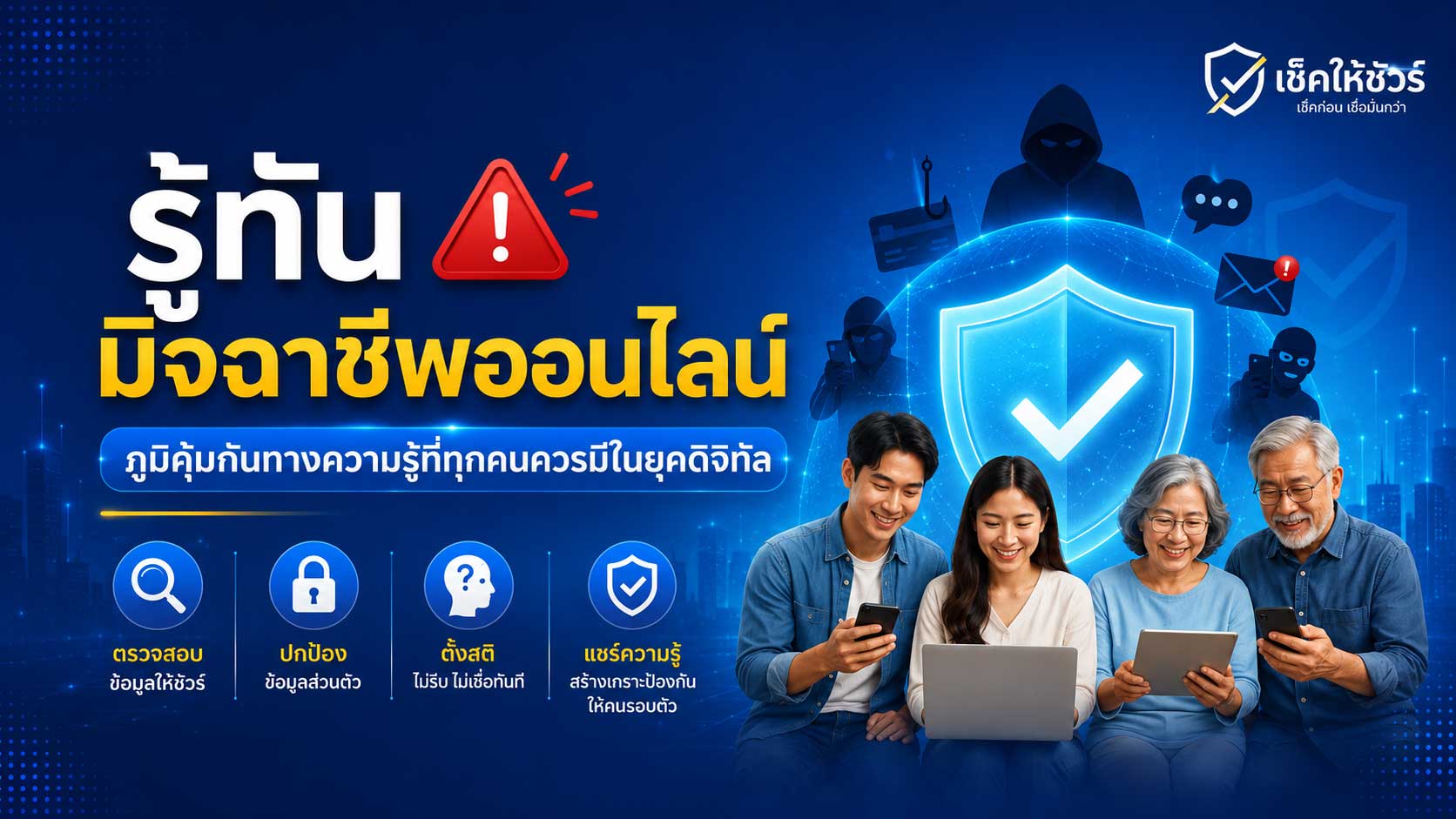
ภัยออนไลน์ในปัจจุบันไม่ได้มาในรูปแบบที่สังเกตได้ง่ายเหมือนในอดีตอีกต่อไป มิจฉาชีพสามารถใช้ภาษา ภาพ โปรไฟล์ เพจ เว็บไซต์ ข้อความ และเทคนิคทางจิตวิทยา ทำให้การหลอกลวงดูน่าเชื่อถือมากขึ้นเรื่อย ๆ
บางครั้งคนที่ตกเป็นเหยื่อไม่ได้ขาดความระมัดระวัง เพียงแต่อยู่ในสถานการณ์ที่ถูกกดดัน ถูกเร่ง ถูกทำให้กลัว หรือถูกสร้างความไว้วางใจอย่างแนบเนียนในช่วงเวลาสั้น ๆ
เช็คให้ชัวร์ จึงจัดทำบทความนี้ขึ้นเพื่อช่วยให้ผู้อ่านเข้าใจว่า มิจฉาชีพออนไลน์มักใช้วิธีคิดและพฤติกรรมแบบใดในการหลอกลวง และเราจะเริ่มสร้าง “ภูมิคุ้มกันทางความรู้” ให้ตัวเองและคนรอบตัวได้อย่างไร
เป้าหมายของบทความนี้ไม่ใช่เพื่อทำให้ทุกคนกลัวโลกออนไลน์ แต่เพื่อช่วยให้เราใช้เทคโนโลยี การโอนเงิน ฟินเทค โซเชียลมีเดีย และบริการดิจิทัลต่าง ๆ ได้อย่างมั่นใจ รอบคอบ และรู้เท่าทันมากขึ้น
มิจฉาชีพออนไลน์ไม่ได้หลอกด้วยเทคโนโลยีอย่างเดียว
หลายคนอาจคิดว่าภัยออนไลน์เป็นเรื่องของแฮกเกอร์ ระบบคอมพิวเตอร์ หรือเทคนิคซับซ้อน แต่ในความเป็นจริง การหลอกลวงจำนวนมากเริ่มจากสิ่งที่เรียบง่ายกว่า คือ “การควบคุมการตัดสินใจของเหยื่อ”
มิจฉาชีพมักไม่ได้พยายามเจาะระบบโดยตรง แต่พยายามทำให้เหยื่อเป็นคนกดลิงก์เอง โอนเงินเอง ให้รหัสเอง ติดตั้งแอปเอง หรือส่งข้อมูลส่วนตัวให้เอง
วิธีที่มักใช้ ได้แก่
- ทำให้เหยื่อรีบจนไม่มีเวลาคิด
- ทำให้เหยื่อกลัวว่าจะเกิดปัญหาใหญ่
- ทำให้เหยื่อรู้สึกว่าได้โอกาสพิเศษ
- ทำให้เหยื่อเชื่อว่าอีกฝ่ายเป็นเจ้าหน้าที่หรือบุคคลน่าเชื่อถือ
- ทำให้เหยื่อรู้สึกเกรงใจหรือไม่กล้าปฏิเสธ
- ทำให้เหยื่อค่อย ๆ ลงเงินเพิ่ม เพราะเสียดายเงินที่จ่ายไปแล้ว
- ทำให้เหยื่อไม่กล้าปรึกษาคนอื่น
เมื่อเข้าใจหลักการเหล่านี้ เราจะเห็นว่า การป้องกันภัยออนไลน์ไม่ได้เริ่มจากเครื่องมือเท่านั้น แต่เริ่มจากความสามารถในการหยุดคิดและตั้งคำถามก่อนทำตาม
ทำไมคนจำนวนมากถึงตกเป็นเหยื่อได้
การตกเป็นเหยื่อของมิจฉาชีพไม่ใช่เรื่องที่ควรถูกตำหนิอย่างง่าย ๆ เพราะหลายเหตุการณ์ถูกออกแบบมาให้เหยื่อตัดสินใจภายใต้แรงกดดัน
มิจฉาชีพมักเลือกใช้สถานการณ์ที่กระทบอารมณ์ เช่น ความกลัว ความโลภ ความสงสาร ความรัก ความรีบ หรือความไว้ใจ
ตัวอย่างเช่น:
- กลัวว่าบัญชีธนาคารจะถูกระงับ
- กลัวมีคดีหรือมีปัญหากับหน่วยงานรัฐ
- กลัวพลาดสินค้าราคาถูก
- กลัวพลาดโอกาสลงทุน
- อยากได้รายได้เสริม
- อยากช่วยเหลือคนที่ดูเดือดร้อน
- เชื่อใจคนที่คุยด้วยมานาน
- รู้สึกอายจนไม่กล้าถามคนอื่น
เมื่ออารมณ์เหล่านี้เกิดขึ้นพร้อมกับความเร่งด่วน การตัดสินใจอาจเกิดขึ้นเร็วเกินไป และนั่นคือจุดที่มิจฉาชีพต้องการ
สัญญาณร่วมของการหลอกลวงที่ควรจำ
แม้กลโกงออนไลน์จะมีหลายรูปแบบ แต่ส่วนใหญ่มักมีสัญญาณร่วมบางอย่างที่สังเกตได้ หากเราฝึกจำสัญญาณเหล่านี้ จะช่วยให้เราหยุดก่อนเกิดความเสียหายได้มากขึ้น
1. เร่งให้ตัดสินใจทันที
ความเร่งด่วนเป็นเครื่องมือสำคัญของมิจฉาชีพ เพราะหากเหยื่อมีเวลาตรวจสอบ มีโอกาสปรึกษาคนอื่น หรือได้หยุดคิด ความน่าเชื่อถือของเรื่องอาจลดลงทันที
ตัวอย่างข้อความที่ควรระวัง:
- “ต้องโอนภายใน 10 นาที”
- “โปรหมดวันนี้”
- “ถ้าไม่ทำตอนนี้ บัญชีจะถูกปิด”
- “ห้ามวางสาย”
- “มีคนรอซื้ออยู่”
- “ถ้าไม่จ่ายเพิ่ม จะถอนเงินไม่ได้”
- “เรื่องนี้เป็นความลับ ห้ามบอกใคร”
หากมีใครเร่งให้ท่านตัดสินใจโดยไม่เปิดโอกาสให้ตรวจสอบ ควรถือเป็นสัญญาณเตือนทันที
2. ทำให้กลัวหรือกดดัน
มิจฉาชีพอาจแอบอ้างเป็นเจ้าหน้าที่ ธนาคาร บริษัทขนส่ง ตำรวจ ศาล หรือหน่วยงานที่ดูน่าเชื่อถือ เพื่อทำให้เหยื่อรู้สึกว่าต้องทำตามทันที
ตัวอย่างการกดดันที่พบบ่อย:
- อ้างว่าบัญชีมีปัญหา
- อ้างว่ามีพัสดุผิดกฎหมาย
- อ้างว่าข้อมูลส่วนตัวถูกใช้ทำผิด
- อ้างว่ามีหมายจับหรือคดี
- อ้างว่าเงินในบัญชีไม่ปลอดภัย
- อ้างว่าต้องโอนเงินไปตรวจสอบ
หลักที่ควรจำคือ หน่วยงานที่น่าเชื่อถือไม่ควรขอให้ท่านโอนเงินไปยังบัญชีส่วนบุคคล ไม่ควรขอ OTP และไม่ควรบังคับให้ท่านห้ามวางสายหรือห้ามปรึกษาคนอื่น
3. เสนอผลประโยชน์ที่ดีเกินจริง
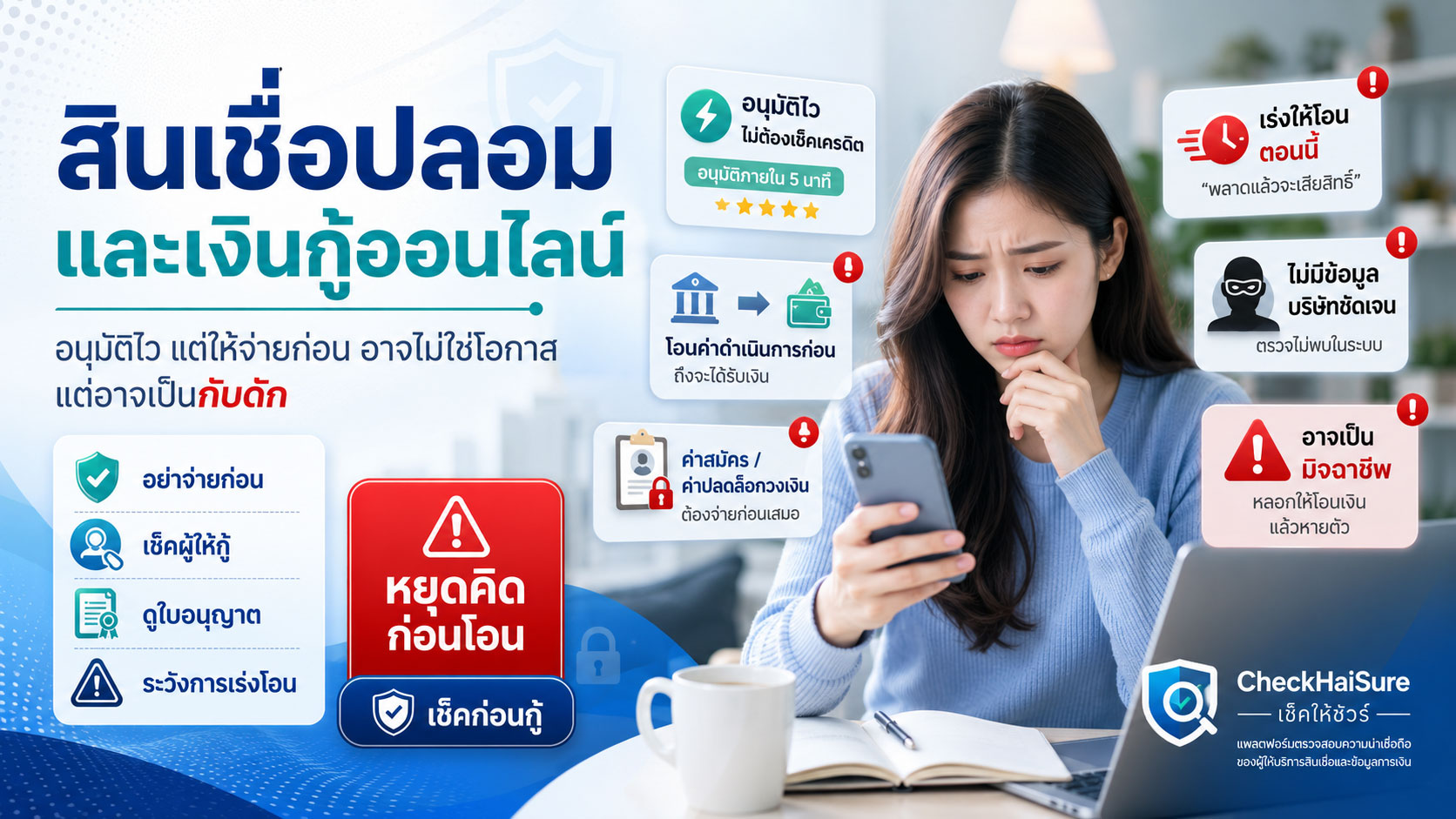
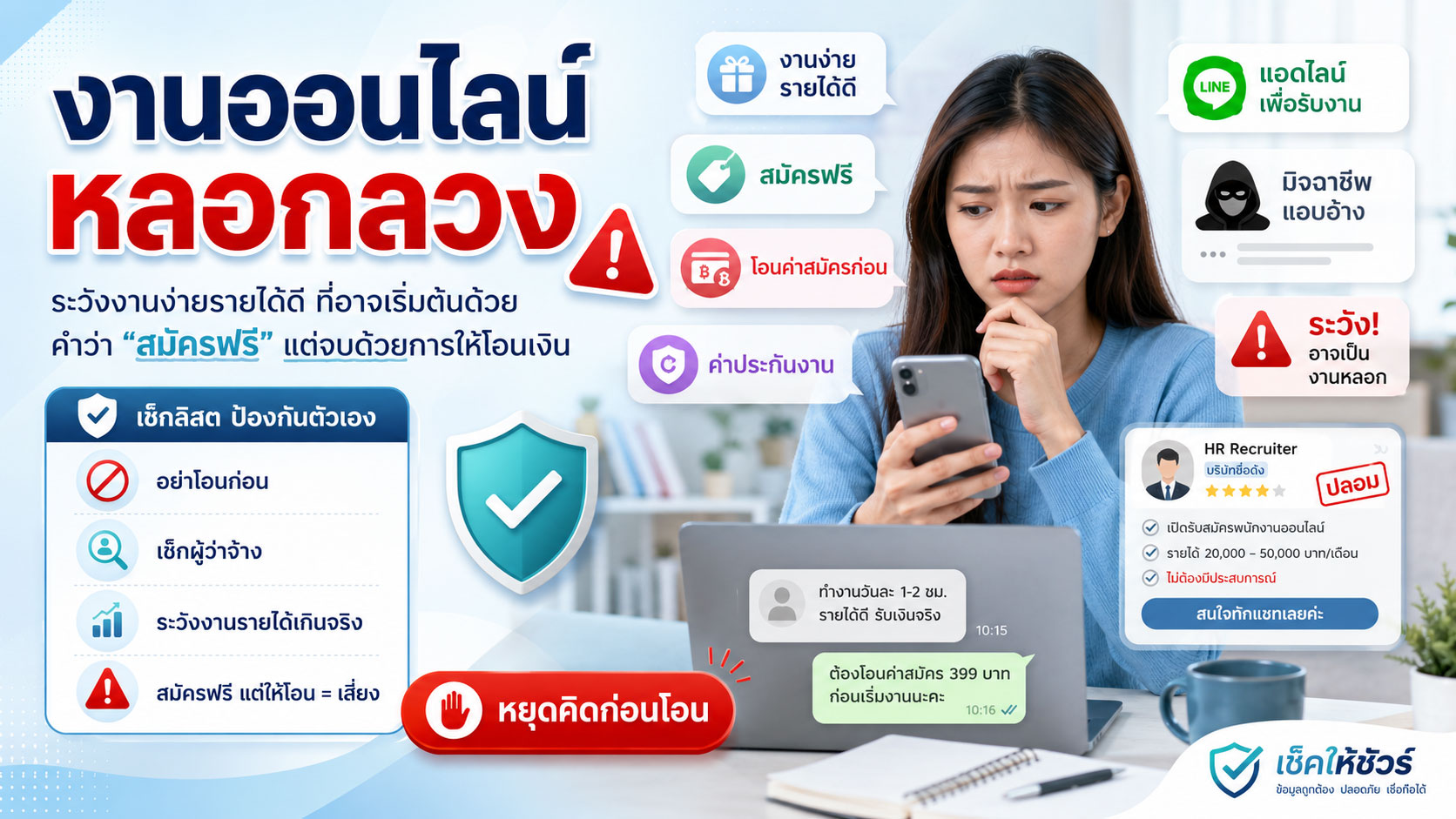
บางกลโกงไม่ได้ใช้ความกลัว แต่ใช้โอกาสที่ดูดีเกินจริง เช่น ลงทุนน้อยได้กำไรสูง งานง่ายรายได้ดี สินค้าราคาถูกมาก หรือเงินกู้อนุมัติไวโดยไม่มีเงื่อนไขชัดเจน
ตัวอย่างที่ควรระวัง:
- ลงทุน 1,000 บาท ได้คืน 3,000 บาทในไม่กี่วัน
- รับประกันกำไรแน่นอน
- งานออนไลน์รายได้สูง แต่ไม่ต้องมีประสบการณ์
- กู้เงินง่าย แต่ต้องโอนค่าธรรมเนียมก่อน
- สินค้าราคาถูกกว่าตลาดมากผิดปกติ
- มีบัตรหรือสิทธิพิเศษจำนวนจำกัด แต่ตรวจสอบที่มาไม่ได้
หากข้อเสนอใดดีมากจนผิดธรรมชาติ ควรหยุดและตรวจสอบก่อนเสมอ
4. ขอข้อมูลลับหรือข้อมูลส่วนตัวเกินจำเป็น
มิจฉาชีพอาจขอข้อมูลโดยอ้างเหตุผลที่ดูน่าเชื่อถือ เช่น ยืนยันตัวตน ตรวจสอบบัญชี รับเงินคืน เปิดสิทธิ์ หรือแก้ปัญหาระบบ
ข้อมูลที่ไม่ควรให้ใครง่าย ๆ ได้แก่:
- รหัส OTP
- รหัสผ่าน
- PIN
- เลขบัตรเครดิตเต็ม
- CVV
- รหัสเข้าแอปธนาคาร
- ข้อมูลเข้าสู่อีเมลหรือโซเชียลมีเดีย
- รูปบัตรประชาชนหรือเอกสารส่วนตัวโดยไม่มีเหตุจำเป็น
- ข้อมูลบัญชีธนาคารที่ไม่เกี่ยวข้องกับธุรกรรม
หากมีใครขอข้อมูลลับ ให้หยุดทันที และตรวจสอบกับช่องทางทางการด้วยตนเอง
5. ส่งลิงก์หรือแอปให้กดทันที
ลิงก์ปลอมและแอปปลอมเป็นช่องทางสำคัญที่มิจฉาชีพใช้เพื่อหลอกเอาข้อมูลหรือเข้าถึงอุปกรณ์ของเหยื่อ
ควรระวังหากมีลิงก์หรือแอปที่:
- ส่งมาจาก SMS หรือแชทที่ไม่คุ้นเคย
- ใช้ชื่อคล้ายธนาคาร บริษัทขนส่ง หรือหน่วยงานรัฐ
- ขอให้กรอกข้อมูลส่วนตัวหรือข้อมูลทางการเงิน
- ขอให้ติดตั้งแอปจากลิงก์ภายนอก
- ขอสิทธิ์ควบคุมหน้าจอ อ่านข้อความ หรือเข้าถึง Accessibility
- อ้างว่าต้องทำทันทีเพื่อไม่ให้บัญชีถูกระงับ
วิธีที่ปลอดภัยกว่าคือ เปิดเว็บไซต์หรือแอปทางการด้วยตนเอง ไม่กดจากลิงก์ที่ผู้อื่นส่งมา
6. ทำให้ไม่กล้าปรึกษาคนอื่น
มิจฉาชีพบางรายจะพยายามแยกเหยื่อออกจากคนรอบตัว เช่น ห้ามบอกครอบครัว ห้ามวางสาย ห้ามออกจากแชท หรือบอกว่าเรื่องนี้เป็นความลับ
นี่เป็นสัญญาณอันตราย เพราะการปรึกษาคนอื่นมักช่วยให้เราเห็นจุดผิดปกติได้ชัดขึ้น
หากอีกฝ่ายบอกว่า “ห้ามบอกใคร” หรือ “ห้ามวางสาย” ควรหยุดทันที และติดต่อคนที่ไว้ใจหรือช่องทางทางการเพื่อตรวจสอบ
วิธีสร้างภูมิคุ้มกันทางความรู้ให้ตัวเอง
การป้องกันมิจฉาชีพไม่จำเป็นต้องรู้ทันทุกกลโกงแบบละเอียด แต่ควรมีหลักคิดพื้นฐานที่ใช้ได้กับหลายสถานการณ์
1. ฝึกหยุดก่อนตอบสนอง
เมื่อได้รับข้อความ โทรศัพท์ หรือข้อเสนอที่ทำให้รู้สึกรีบ กลัว ตื่นเต้น หรือกังวล ควรหยุดก่อนตอบสนองทันที
ถามตัวเองว่า:
- อีกฝ่ายต้องการให้เราทำอะไร
- ทำไมต้องรีบ
- มีเหตุผลชัดเจนหรือไม่
- ตรวจสอบจากช่องทางอื่นได้หรือไม่
- หากไม่ทำทันที จะเกิดอะไรขึ้นจริงหรือไม่
- เรื่องนี้ควรถามคนอื่นก่อนหรือไม่
การหยุดคิดเพียงไม่กี่นาที อาจช่วยป้องกันการตัดสินใจที่ทำให้เสียหายได้
2. ตรวจสอบจากแหล่งทางการเสมอ
หากมีใครอ้างว่าเป็นธนาคาร หน่วยงานรัฐ บริษัทขนส่ง แพลตฟอร์มออนไลน์ หรือองค์กรใด ควรติดต่อกลับผ่านช่องทางทางการที่ท่านค้นหาเอง ไม่ใช่เบอร์หรือลิงก์ที่อีกฝ่ายส่งมาให้
ควรตรวจสอบจาก:
- เว็บไซต์ทางการ
- แอปทางการ
- เบอร์โทรจากหลังบัตรหรือหน้าเว็บไซต์ทางการ
- สาขาหรือศูนย์บริการจริง
- ช่องทางประกาศของหน่วยงานนั้นโดยตรง
อย่าใช้ช่องทางที่มิจฉาชีพเป็นผู้เตรียมให้ เพราะอาจเป็นช่องทางปลอมทั้งหมด
3. อย่าให้ความน่าเชื่อถือจากหน้าตาเพียงอย่างเดียว
เพจที่ดูสวย เว็บไซต์ที่ดูดี รูปโปรไฟล์ที่ดูน่าเชื่อถือ หรือรีวิวจำนวนมาก ไม่ได้แปลว่าปลอดภัยเสมอไป
ควรตรวจสอบลึกกว่านั้น เช่น
- เพจเปิดมานานหรือไม่
- เคยเปลี่ยนชื่อหรือไม่
- ชื่อบัญชีรับเงินตรงกับร้านหรือบริษัทหรือไม่
- รีวิวเป็นธรรมชาติหรือดูซ้ำ ๆ
- มีข้อมูลติดต่อที่ตรวจสอบได้หรือไม่
- มีผู้เสียหายเคยแจ้งเตือนหรือไม่
- ลิงก์เว็บไซต์เป็นโดเมนทางการจริงหรือไม่
ความน่าเชื่อถือควรมาจากข้อมูลที่ตรวจสอบได้ ไม่ใช่ความรู้สึกจากภาพลักษณ์เพียงอย่างเดียว
4. สอนคนในครอบครัวให้รู้เท่าทันไปด้วยกัน
ภัยออนไลน์ไม่ได้เกิดกับคนกลุ่มใดกลุ่มหนึ่งเท่านั้น เด็ก ผู้สูงอายุ คนทำงาน เจ้าของร้านค้า และผู้ใช้บริการดิจิทัลทั่วไปล้วนมีความเสี่ยงได้
ควรพูดคุยกับคนในครอบครัวเรื่องพื้นฐาน เช่น
- อย่าให้ OTP กับใคร
- อย่ากดลิงก์จาก SMS แปลก ๆ
- อย่าโอนเงินเพราะมีคนโทรมากดดัน
- ถ้ามีใครอ้างเป็นเจ้าหน้าที่ ให้โทรตรวจสอบเอง
- ถ้าไม่แน่ใจ ให้ถามคนในครอบครัวก่อน
- ถ้าเผลอโอนไปแล้วหรือกดลิงก์แล้ว ให้รีบบอก ไม่ต้องอาย
การสร้างความรู้ร่วมกันในครอบครัวเป็นหนึ่งในวิธีป้องกันที่มีพลังมาก เพราะหลายครั้งการเตือนกันเพียงครั้งเดียวอาจช่วยหยุดความเสียหายได้
5. ใช้เครื่องมือค้นหาและแพลตฟอร์มช่วยตรวจสอบ
ก่อนโอนเงิน กดลิงก์ หรือทำธุรกรรมกับคนที่ไม่คุ้นเคย ควรค้นหาข้อมูลที่มีอยู่ก่อน เช่น เบอร์โทรศัพท์ เลขบัญชี ชื่อบัญชี ชื่อร้านค้า ชื่อเพจ หรือ LINE ID
ท่านสามารถใช้เช็คให้ชัวร์เป็นหนึ่งในเครื่องมือช่วยตรวจสอบเบื้องต้น เพื่อดูว่ามีข้อมูลต้องสงสัย รายงาน หรือบทความที่เกี่ยวข้องหรือไม่
อย่างไรก็ตาม หากไม่พบข้อมูลในระบบ ไม่ได้หมายความว่าปลอดภัย 100% เพราะอาจยังไม่มีผู้แจ้งเข้ามา หรือมิจฉาชีพอาจใช้ข้อมูลใหม่อยู่เสมอ
ตัวอย่างคำถามที่ควรถามก่อนเชื่อหรือโอนเงิน
ก่อนตัดสินใจเชื่อ โอนเงิน กดลิงก์ หรือให้ข้อมูลส่วนตัว ลองถามตัวเองด้วยคำถามเหล่านี้:
- เรื่องนี้เร่งด่วนจริง หรือมีคนพยายามทำให้เรารีบ
- อีกฝ่ายเป็นใคร และตรวจสอบตัวตนได้หรือไม่
- ช่องทางที่ติดต่อมาเป็นช่องทางทางการจริงหรือไม่
- ทำไมต้องโอนเงินเข้าบัญชีนี้
- ชื่อบัญชีตรงกับร้าน บริษัท หรือบุคคลที่อ้างหรือไม่
- ข้อเสนอนี้ดีเกินจริงหรือไม่
- มีการขอ OTP รหัสผ่าน หรือข้อมูลลับหรือไม่
- ลิงก์ที่ส่งมาเป็นเว็บจริงหรือเว็บปลอม
- เราได้ปรึกษาคนที่ไว้ใจแล้วหรือยัง
- ถ้ายังไม่มั่นใจ ทำไมต้องรีบทำตอนนี้
หากยังตอบคำถามเหล่านี้ไม่ได้ชัดเจน ควรหยุดก่อน
ถ้าพบข้อมูลต้องสงสัย ควรทำอย่างไร
หากท่านพบเบอร์โทรศัพท์ เลขบัญชี เพจ ลิงก์ ข้อความ หรือพฤติกรรมที่น่าสงสัย ควรดำเนินการอย่างระมัดระวัง
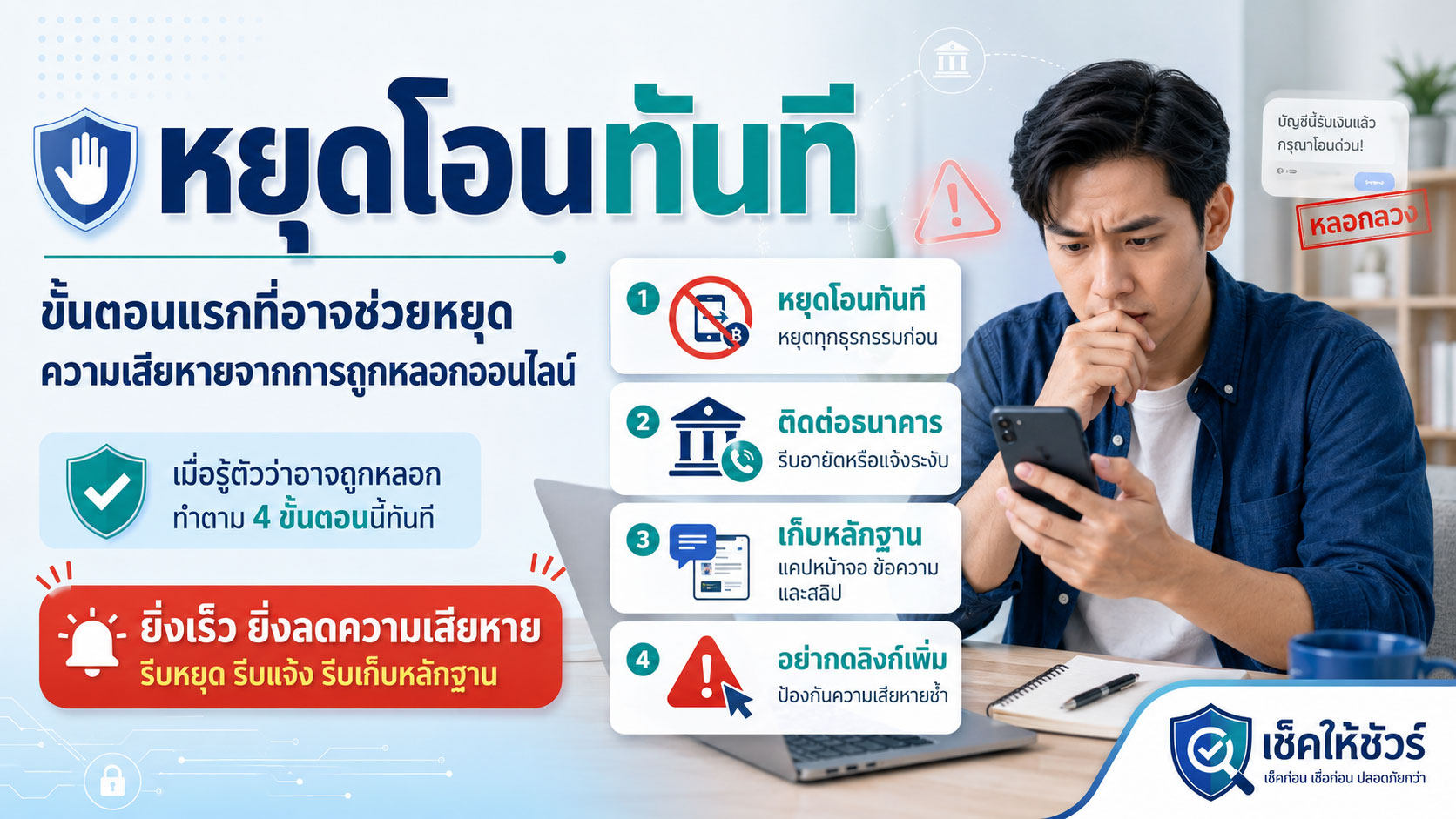
- อย่าเพิ่งโอนเงิน
- อย่าให้ OTP หรือข้อมูลลับ
- อย่ากดลิงก์ที่ไม่มั่นใจ
- อย่าติดตั้งแอปจากลิงก์ภายนอก
- เก็บหลักฐานไว้ก่อน
- ตรวจสอบกับแหล่งทางการ
- ปรึกษาคนที่ไว้ใจ
- แจ้งข้อมูลต้องสงสัยเข้ามายังเช็คให้ชัวร์ หากเห็นว่าอาจเป็นประโยชน์ต่อผู้อื่น
ตรวจสอบข้อมูลต้องสงสัย: ตรวจสอบข้อมูลต้องสงสัย
แจ้งข้อมูลต้องสงสัย: แจ้งข้อมูลต้องสงสัย
ความรู้คือเกราะป้องกันที่ส่งต่อได้
มิจฉาชีพออนไลน์อาจเปลี่ยนวิธีไปเรื่อย ๆ แต่หลักการป้องกันหลายอย่างยังใช้ได้เสมอ คือ ไม่รีบเชื่อ ไม่รีบโอน ไม่ให้รหัสลับ ไม่กดลิงก์ทันที และตรวจสอบก่อนตัดสินใจ
เมื่อคนหนึ่งคนรู้เท่าทันมากขึ้น ความเสี่ยงของเขาก็ลดลง และหากความรู้นั้นถูกส่งต่อให้คนในครอบครัว เพื่อนร่วมงาน ลูกหลาน หรือผู้สูงอายุรอบตัว ผลลัพธ์ก็อาจช่วยป้องกันความเสียหายให้ผู้อื่นได้อีกมาก
เช็คให้ชัวร์เชื่อว่า “ภูมิคุ้มกันทางความรู้” ไม่ได้สร้างขึ้นได้จากบทความเดียว แต่เกิดจากการเรียนรู้ การแบ่งปัน และการช่วยกันเตือนอย่างต่อเนื่องในสังคม
ข้อความสำคัญ
ข้อมูลในบทความนี้มีวัตถุประสงค์เพื่อการให้ความรู้และสร้างความตระหนักเกี่ยวกับการป้องกันภัยออนไลน์เบื้องต้นเท่านั้น ไม่ถือเป็นคำแนะนำทางกฎหมาย การเงิน หรือความปลอดภัยไซเบอร์เฉพาะกรณี
เช็คให้ชัวร์ไม่ใช่หน่วยงานรัฐ ธนาคาร ตำรวจ ศาล หรือผู้ให้คำปรึกษาทางกฎหมายโดยตรง และไม่สามารถอายัดบัญชี ติดตามเงินคืน ดำเนินคดี หรือสั่งการแทนหน่วยงานที่มีอำนาจได้
หากท่านได้รับความเสียหายทางการเงินหรือพบเหตุอันควรสงสัยว่าเกี่ยวข้องกับอาชญากรรม กรุณาติดต่อธนาคารของท่านและหน่วยงานที่เกี่ยวข้องผ่านช่องทางทางการโดยเร็วที่สุด
เช็คให้ชัวร์ — ก่อนเชื่อ ก่อนโอน ก่อนแชร์
Understanding Online Scammers: Knowledge-Based Immunity Everyone Needs in the Digital Era
Online threats today are no longer always easy to recognize. Scammers can use language, images, profiles, pages, websites, messages, and psychological techniques to make their scams look more convincing than ever.
In many cases, victims are not careless. They may simply be placed under pressure, rushed into action, frightened, or carefully led to trust someone within a short period of time.
CheckHaiSure created this article to help readers understand how online scammers often think, behave, and manipulate situations — and how we can begin building knowledge-based immunity for ourselves and the people around us.
The goal of this article is not to make everyone afraid of the online world. The goal is to help us use technology, money transfers, fintech services, social media, and digital platforms with more confidence, caution, and awareness.
Online Scammers Do Not Rely on Technology Alone
Many people may think online scams are mainly about hackers, computer systems, or complex technology. In reality, many scams begin with something much simpler: controlling the victim’s decision-making.
Scammers may not need to break into a system directly. Instead, they try to make the victim click the link, transfer the money, share the code, install the app, or send personal information voluntarily.
Common tactics include:
- Making the victim rush before thinking
- Creating fear that something serious will happen
- Making the victim feel they have found a special opportunity
- Pretending to be an officer or trusted person
- Making the victim feel uncomfortable saying no
- Encouraging the victim to keep paying because they already lost money
- Preventing the victim from asking others for advice
Once we understand these patterns, we can see that online safety does not start only with tools. It also starts with the ability to pause, question, and verify before following instructions.
Why Many People Can Become Victims
Becoming a victim of a scam should not be judged too quickly. Many scam situations are designed to make people decide under pressure.
Scammers often use emotions such as fear, greed, sympathy, love, urgency, or trust.
For example:
- Fear that a bank account will be suspended
- Fear of being involved in a legal case or government issue
- Fear of missing a cheap product
- Fear of missing an investment opportunity
- Desire to earn extra income
- Desire to help someone who appears to be in trouble
- Trust in someone they have been talking to for a long time
- Embarrassment that prevents them from asking others
When these emotions are combined with urgency, decisions may happen too quickly — and that is exactly what scammers want.
Common Scam Warning Signs to Remember
Although online scams appear in many forms, most of them share certain warning signs. If we learn to recognize these signals, we may be able to stop before damage occurs.
1. They Rush You to Decide Immediately
Urgency is one of the most important tools used by scammers. If a victim has time to check, ask someone else, or think carefully, the scam may lose credibility quickly.
Messages to be careful with include:
- “You must transfer within 10 minutes.”
- “The promotion ends today.”
- “If you do not act now, your account will be closed.”
- “Do not hang up.”
- “Other buyers are waiting.”
- “If you do not pay more, you cannot withdraw.”
- “This is confidential. Do not tell anyone.”
If someone pushes you to decide without giving you time to verify, treat it as a warning sign.
2. They Create Fear or Pressure
Scammers may impersonate officers, banks, delivery companies, police, courts, or trusted organizations to make victims feel they must obey immediately.
Common pressure tactics include:
- Claiming your account has a problem
- Claiming a parcel contains illegal items
- Claiming your personal information was used in a crime
- Claiming there is an arrest warrant or legal case
- Claiming your money is unsafe
- Asking you to transfer money for verification
A key rule to remember: trustworthy organizations should not ask you to transfer money to a personal account, ask for OTPs, or force you to stay on the phone and avoid consulting others.
3. They Offer Benefits That Look Too Good to Be True
Some scams do not use fear. They use attractive opportunities, such as high returns, easy income, very cheap products, or fast loans with unclear conditions.
Examples to be careful with:
- Invest 1,000 baht and receive 3,000 baht within a few days
- Guaranteed profit
- High-income online jobs with no experience required
- Easy loans that require upfront fees
- Products priced far below the market
- Special tickets or privileges with unverifiable sources
If an offer looks unusually good, pause and verify first.
4. They Ask for Confidential or Excessive Personal Information
Scammers may ask for information using reasons that sound reasonable, such as identity verification, account checking, refunds, benefit activation, or system support.
Information you should not easily share includes:
- OTP codes
- Passwords
- PINs
- Full credit card numbers
- CVV codes
- Mobile banking login codes
- Email or social media login information
- ID card photos or personal documents without a necessary reason
- Bank account information unrelated to the transaction
If someone asks for confidential information, stop immediately and verify through official channels yourself.
5. They Send Links or Apps for You to Click Immediately
Fake links and fake apps are common methods used to steal information or access a victim’s device.
Be careful with links or apps that:
- Come from unfamiliar SMS or chat messages
- Use names similar to banks, delivery companies, or government agencies
- Ask you to enter personal or financial information
- Ask you to install an app from an external link
- Request screen control, message access, or Accessibility permissions
- Claim you must act immediately to prevent account suspension
A safer approach is to open the official website or app yourself instead of clicking links sent by others.
6. They Prevent You from Asking Others
Some scammers try to isolate victims from people around them. They may tell victims not to tell family members, not to hang up, not to leave the chat, or that the matter is confidential.
This is a serious warning sign. Asking someone else often helps us notice suspicious details more clearly.
If the other party says “do not tell anyone” or “do not hang up,” stop and verify with someone you trust or through official channels.
How to Build Knowledge-Based Immunity
Preventing scams does not require knowing every scam in detail. What matters is having a basic way of thinking that can be used in many situations.
1. Pause Before Responding
When you receive a message, phone call, or offer that makes you feel rushed, afraid, excited, or worried, pause before responding.
Ask yourself:
- What does the other party want me to do?
- Why do I need to hurry?
- Is there a clear reason?
- Can I verify this through another channel?
- What will really happen if I do not act immediately?
- Should I ask someone else first?
A few minutes of pause may prevent a damaging decision.
2. Always Verify Through Official Sources
If someone claims to represent a bank, government agency, delivery company, online platform, or organization, contact that organization through official channels you find yourself — not through phone numbers or links sent by the other party.
Check through:
- Official websites
- Official apps
- Phone numbers from official websites or the back of your card
- Real branches or service centers
- Official announcements from the organization
Do not rely on channels prepared by the suspicious person, because they may all be fake.
3. Do Not Trust Appearance Alone
A beautiful page, professional-looking website, trustworthy profile photo, or many reviews does not always mean something is safe.
Check deeper details, such as:
- How long the page has existed
- Whether the page has changed its name before
- Whether the receiving account name matches the shop or company
- Whether reviews look natural or repetitive
- Whether contact information can be verified
- Whether anyone has reported suspicious activity
- Whether the website link is truly the official domain
Trust should come from verifiable information, not appearance alone.
4. Teach Family Members to Stay Aware Together
Online threats can affect anyone, including children, elderly people, working adults, shop owners, and everyday digital users.
Useful topics to discuss with family members include:
- Do not share OTPs with anyone
- Do not click strange SMS links
- Do not transfer money because someone pressures you by phone
- If someone claims to be an officer, verify through official channels yourself
- If unsure, ask someone in the family first
- If you already transferred money or clicked a link, tell someone quickly and do not feel ashamed
Building awareness together as a family is powerful. Sometimes one reminder can stop serious damage.
5. Use Search Tools and Checking Platforms
Before transferring money, clicking a link, or making a transaction with someone unfamiliar, search the information you already have, such as phone number, bank account number, account name, shop name, page name, or LINE ID.
You can use CheckHaiSure as one of your preliminary checking tools to see whether there is suspicious information, reports, or related articles.
However, if no result is found, it does not mean the situation is 100% safe. The information may not have been reported yet, or scammers may be using new details.
Questions to Ask Before Trusting or Transferring Money
Before trusting someone, transferring money, clicking a link, or sharing personal information, ask yourself:
- Is this truly urgent, or is someone trying to make me rush?
- Who is the other party, and can their identity be verified?
- Is the contact channel truly official?
- Why do I need to transfer money to this account?
- Does the account name match the shop, company, or person being claimed?
- Is the offer too good to be true?
- Are they asking for OTPs, passwords, or confidential information?
- Is the link real or fake?
- Have I asked someone I trust?
- If I am not sure, why do I need to act now?
If you cannot answer these questions clearly, pause first.
What to Do If You Find Suspicious Information
If you find a suspicious phone number, bank account, page, link, message, or behavior, proceed carefully.
- Do not transfer money yet.
- Do not share OTPs or confidential information.
- Do not click links you are unsure about.
- Do not install apps from external links.
- Keep evidence first.
- Verify with official sources.
- Ask someone you trust.
- Submit suspicious information to CheckHaiSure if it may help others.
Check suspicious information: Check suspicious information
Report suspicious information: Report suspicious information
Knowledge Is Protection That Can Be Shared
Online scammers may keep changing their methods, but many basic protection principles remain the same: do not trust too quickly, do not transfer too quickly, do not share secret codes, do not click links immediately, and always verify before deciding.
When one person becomes more aware, that person’s risk becomes lower. When that knowledge is shared with family members, colleagues, children, or elderly people nearby, it may help protect many more people from harm.
CheckHaiSure believes that knowledge-based immunity is not built from one article alone. It is built through continuous learning, sharing, and helping one another stay alert as a society.
Important Notice
The information in this article is intended for general education and awareness about online scam prevention only. It is not legal, financial, or case-specific cybersecurity advice.
CheckHaiSure is not a government agency, bank, police authority, court, or direct legal advisory service. We cannot freeze accounts, recover money, conduct legal proceedings, or act on behalf of authorized agencies.
If you have suffered financial loss or suspect criminal activity, please contact your bank and the relevant official authorities through official channels as soon as possible.
CheckHaiSure — Check before you trust, transfer, or share.
Leave a Reply
You must be logged in to post a comment.